
Retail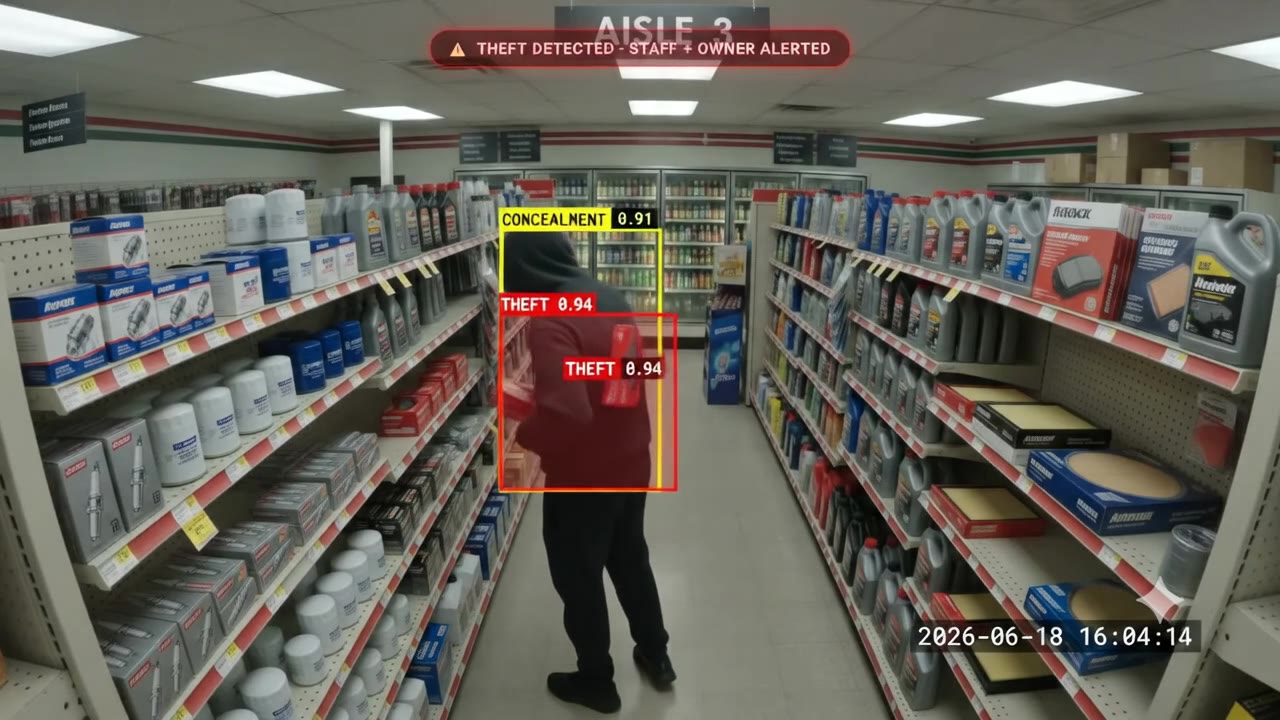
Retail & convenience
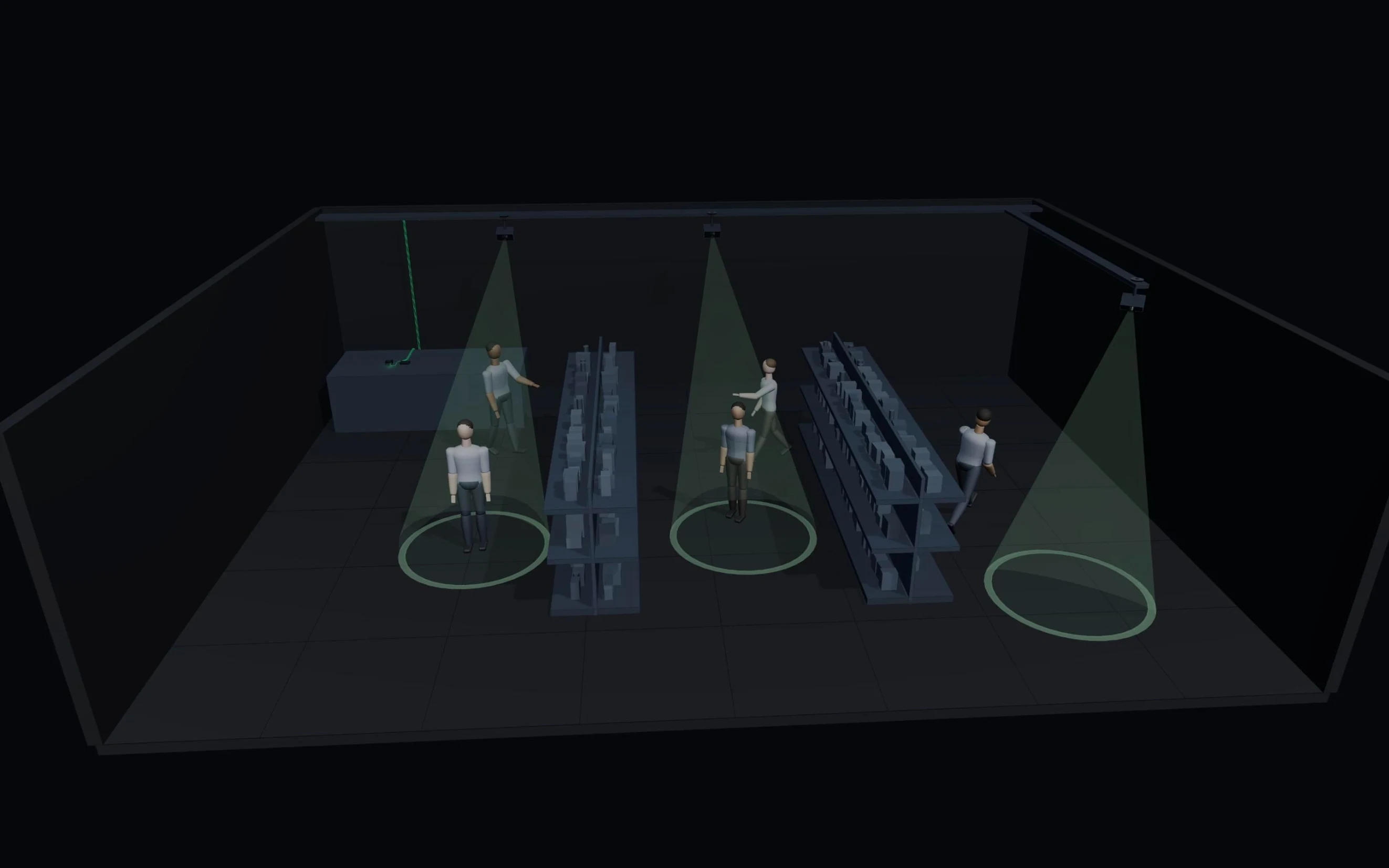
Shrink is the whole business case. Concealment, grab-and-run, sweethearting at the register and after-hours entry, all on the cameras already covering your aisles.
TheftConcealmentLoiterPOS zone
One box behind the cameras you already own. Theft, falls and intrusion called out in under 50 milliseconds, on-device.
The average small business already runs eight to sixteen cameras. That footage is almost never watched live. It gets opened once — after the loss, after the fall, after the police ask for it — and by then the only thing it can do is confirm what you already lost.
The market's answer has been to sell you an entirely new camera system. Rip out what works, re-cable the building, pay per-camera cloud fees forever. For a store with twelve cameras and a real payroll, that math has never worked.
Nexovia takes the other path. Every camera, cable and mount stays exactly where it is. We add the one part that was always missing — something that understands what it is looking at, and says so while there is still time to act.
Follow one frame all the way through. It leaves the camera over the Cat6 you already pulled, arrives at the Hive on a single uplink, gets decoded, inferred and rule-checked on-device, then surfaces as a live overlay and a resolved alert in the console.
Any IP camera that speaks RTSP or ONVIF. No firmware flashing, no swaps, no new mounts — every camera, cable and bracket stays exactly where it is.
Streams travel the Cat5e/Cat6 already in your walls, through the PoE switch you already own, into a single uplink on the Hive.
Decode, GPU inference and the event engine all run on the box. Video never has to leave the building, and there is no cloud round trip in the path.
Every feed, annotated in real time — on a phone, a desktop, or a control-room wall. The boxes in the diagram are what the operator sees.
Sealed clips, plain-English search, and a push notification the second a rule trips — while the person is still in aisle three.
Swipe the diagram. Click any stage to open it — the Hive, the cameras, the console.
Falls and after-hours presence below are real camera captures. Theft and person-of-interest are staged scenes — the classes run in production, but we are not going to wait for a genuine incident to prove it. Every tile is labelled with which one you are looking at.
It reads the sequence, not the exit: item off the shelf, item not returning, hand moving toward a jacket. Concealment fires first, theft confirms, and the owner's phone buzzes while the person is still in aisle three.
Pose keypoints, not a bounding box. A rapid drop, then a held horizontal pose with no recovery motion. A configurable dwell means someone sitting down never trips it.
After hours the logic inverts: a person in the zone is the event, no second signal needed. Deterrence fires at the same instant as the alert — strobe, speaker, or straight to whoever is on call.
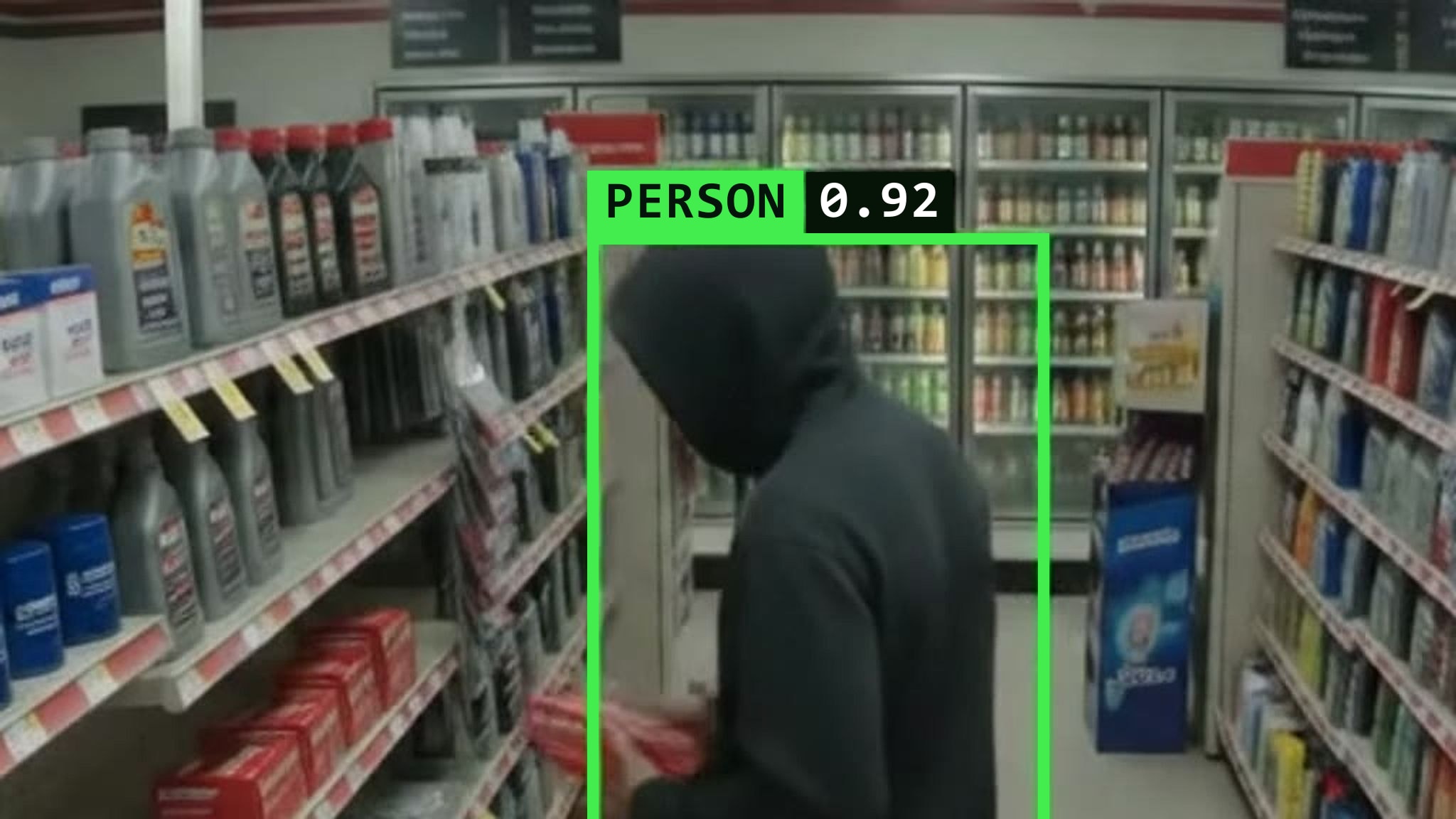 Simulated scene
Flag a subject once and the Hive keeps hold of them across camera boundaries. Front door to back exit reads as one timeline, not six clips you stitch together yourself.
Nexovia is deliberately a layer, not a replacement. If your cameras produce an RTSP or ONVIF stream — and effectively all IP cameras do — the Hive will find them, pull them in and start reasoning about them. Your NVR keeps recording exactly as it does today.
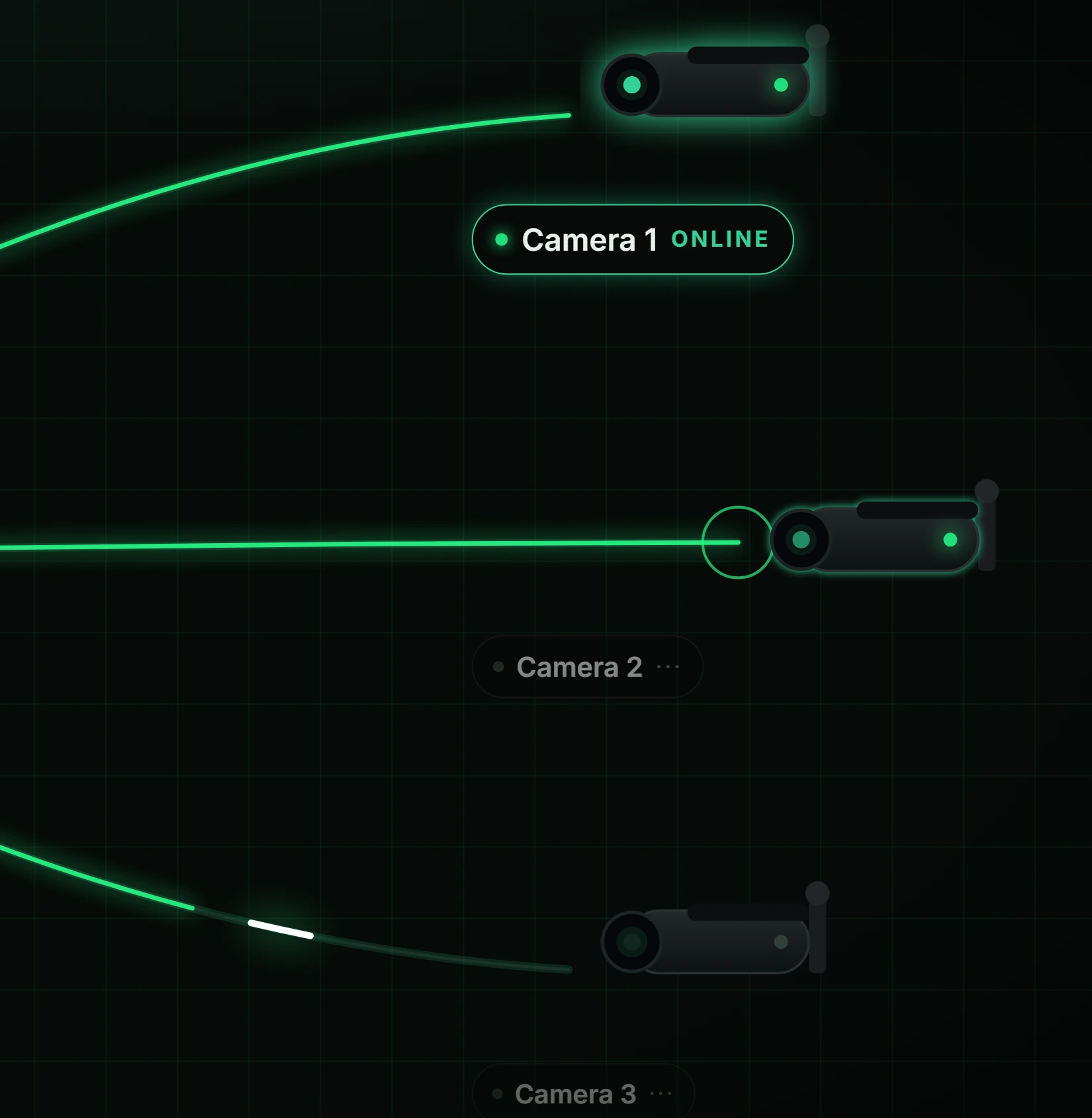
An alert that lands in a control room nobody is sitting in is not an alert. Nexovia pushes straight to the phone of whoever is on call, with the clip already attached and the event already classified — so the decision to act takes seconds, not a trip back to the office to scrub through footage.
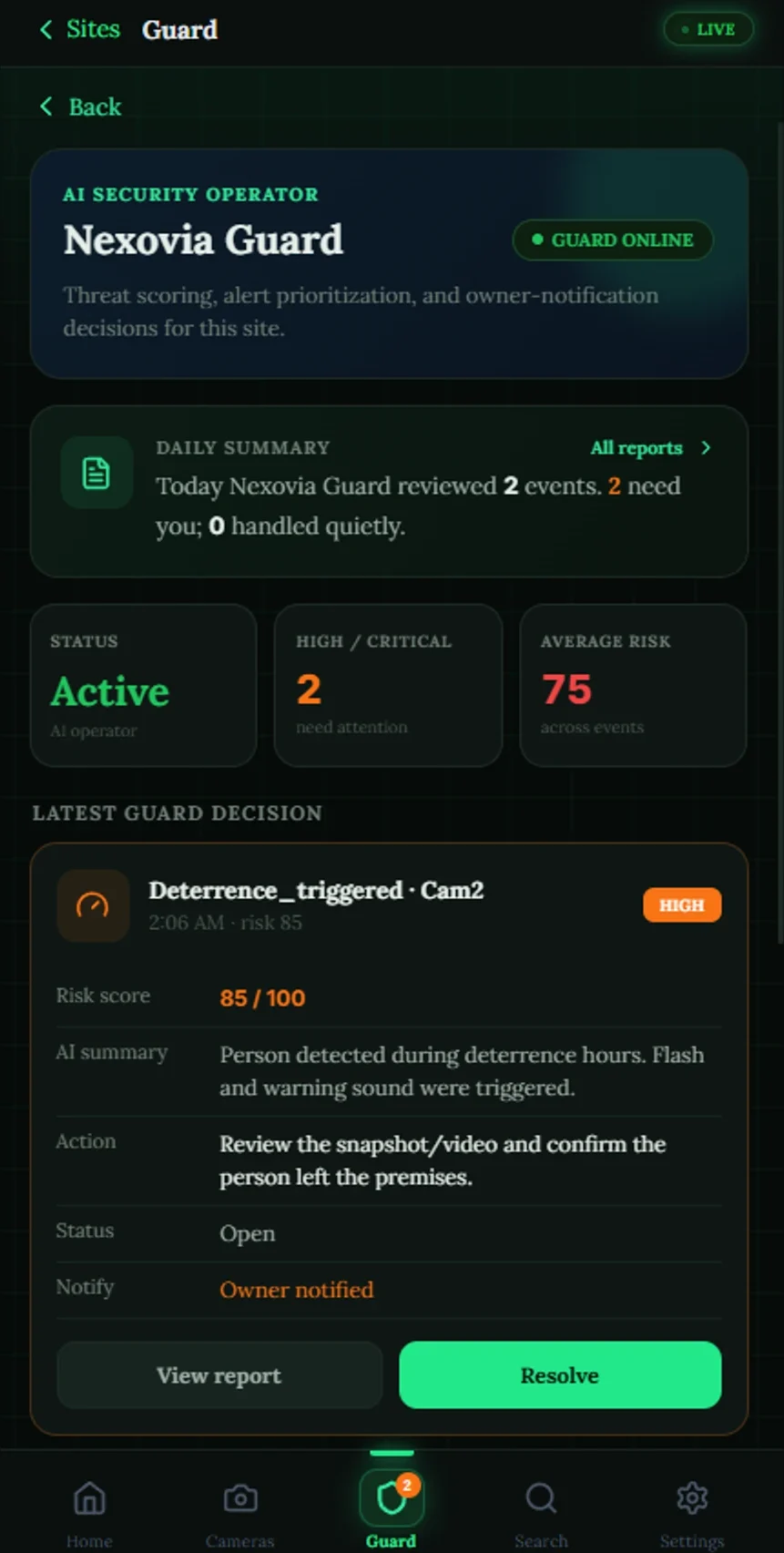
Inference happens on the Hive, inside your building. Video is not shipped to a third-party cloud to be understood, and the system keeps working if your internet drops.
Under 50ms from frame to alert. Fast enough that the alert is a chance to intervene rather than a notification that something has already been lost.
Pricing follows the Hive and the site, not a line item for every lens. Adding cameras inside your stream count does not change what you pay each month.
“Red hoodie, aisle three, after four.” The console indexes what it detects, so finding the moment takes one sentence instead of an afternoon of scrubbing.
The hardware does not change between a convenience store and an assisted living floor — the models loaded onto it and the rules wrapped around them do.
Shrink is the whole business case. Concealment, grab-and-run, sweethearting at the register and after-hours entry, all on the cameras already covering your aisles.
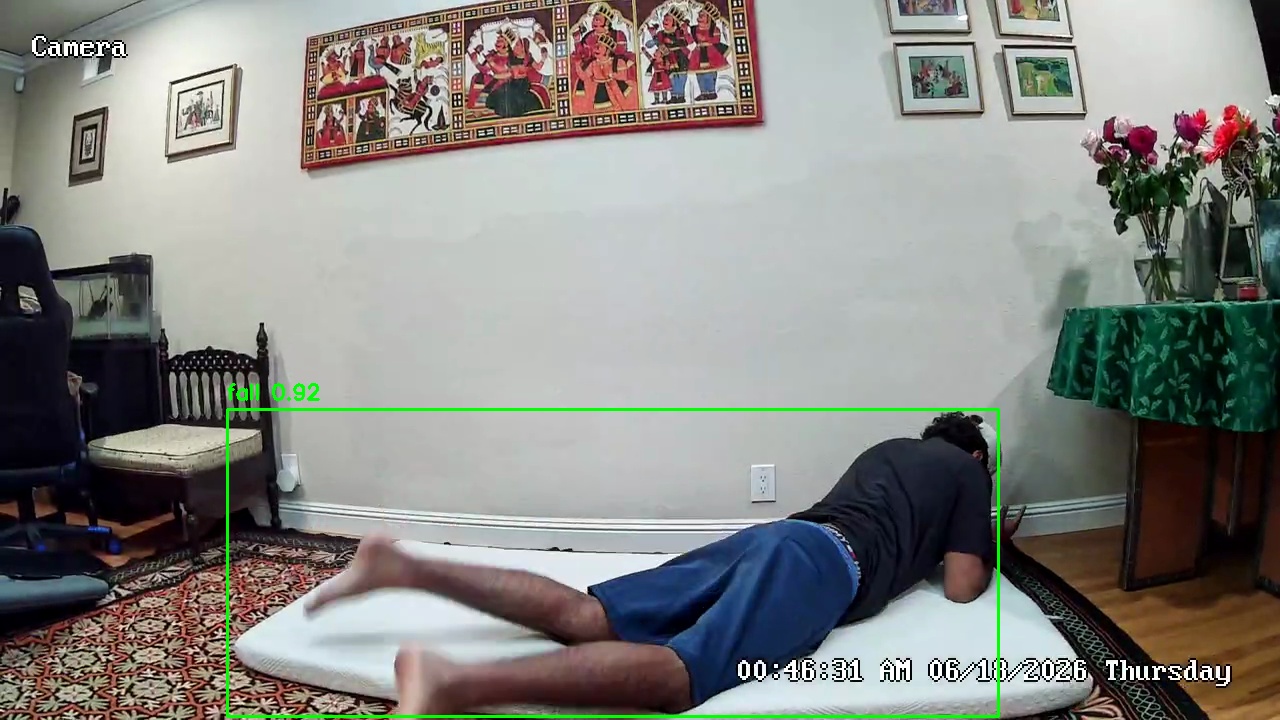
The fall you find twenty minutes later is a different event from the fall you find in ten seconds. Pose-based detection with a dwell window that ignores someone simply sitting down.
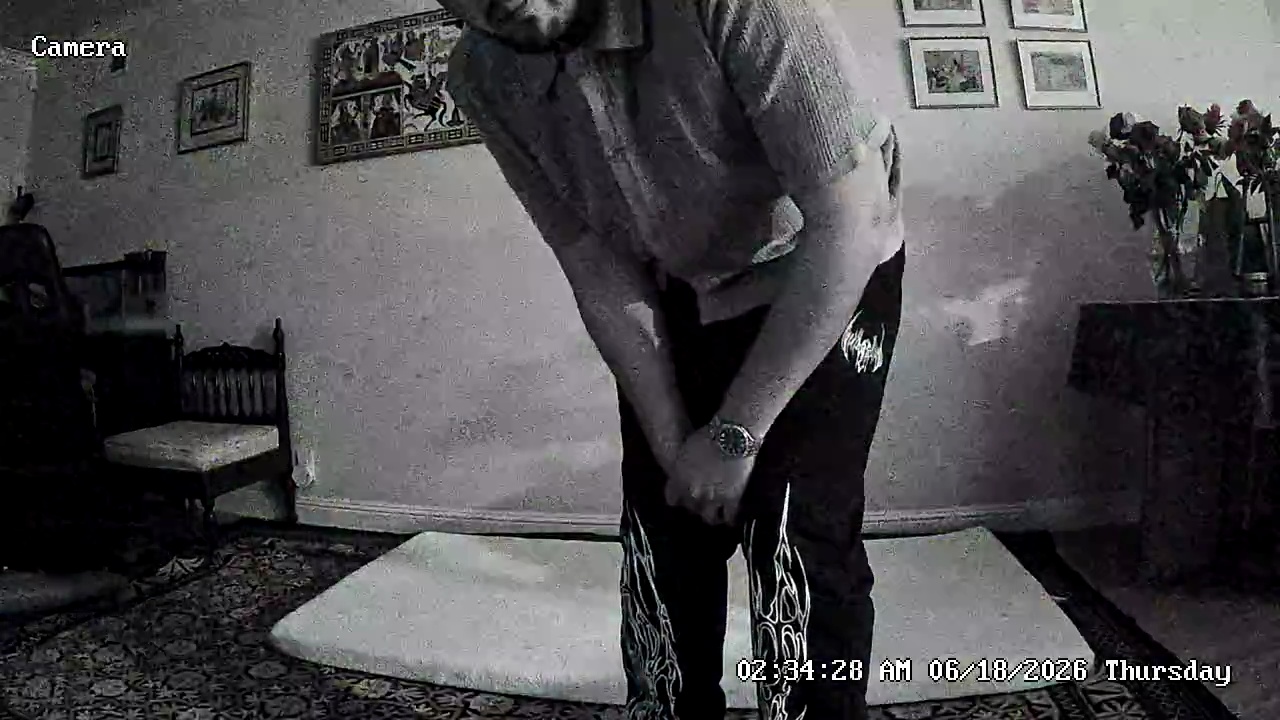
Once the building is locked, a person in the zone is the whole event — no second signal needed. Runs in IR, and can fire a strobe or a speaker at the same instant it raises the alert.
Ten minutes to install, and the cameras already on your walls start telling you things while you can still do something about them.